Expert eye care by LV Prasad–trained specialists. LASIK, Cataract, Retina, Cornea & more — all eye care services under one roof in Dhantoli, Nagpur.
Excellence in eye care with advanced technology and expert specialists
Fellowship trained eye specialist from LV Prasad Eye Institute, Hyderabad
Advanced medical equipments with Japan and US technology
Advanced superspeciality eye care hospital with comprehensive services
Transparency, safety and quality in all procedures and patient care
Hardev Eye Care is Nagpur's premier eye hospital, offering world-class ophthalmological services with state-of-the-art equipment and a patient-first philosophy.
Located in the heart of Dhantoli, our clinic combines the warmth of personalized care with the precision of advanced medical technology. From routine check-ups to complex surgeries, we are committed to protecting and restoring your most precious sense — sight.
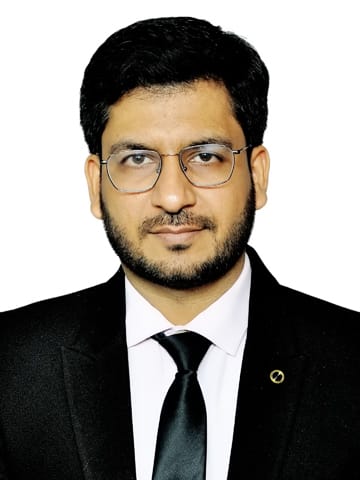
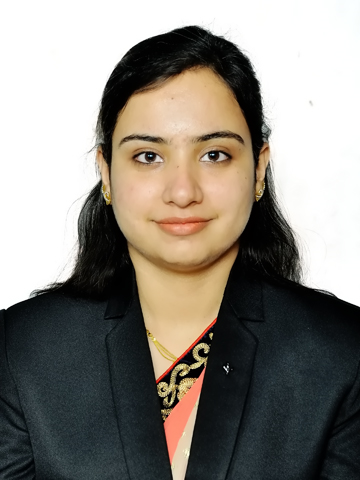
Fellowship-trained ophthalmologists dedicated to providing exceptional eye care.
Fellowship in Cornea & Phacorefractive Surgery from the prestigious LV Prasad Eye Institute. Expert in complex corneal procedures, cataract surgery, and refractive corrections.
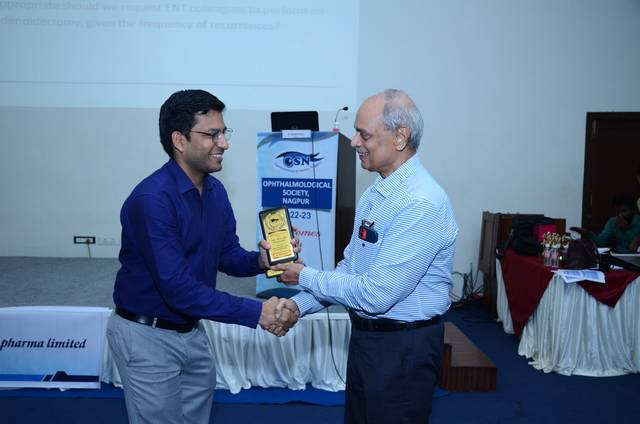
3× First in Nagpur — See Achievements
MBBS from GMC Akola, MS (Ophthalmology) from Sir JJ Grant Medical College, Mumbai. Phaco Fellowship from DMIMS. Skilled in a wide range of ophthalmic procedures.
Dr. Vijay Jeswani has consistently brought the latest advancements in eye surgery to Nagpur — before anyone else.
First surgeon in Nagpur to perform bladeless Femtosecond LASIK — the most precise form of laser vision correction, using a femtosecond laser instead of a blade to create the corneal flap.
First surgeon in Nagpur to perform Contoura Vision LASIK — a topography-guided procedure that maps 22,000 points on the cornea to correct not just power but subtle imperfections, delivering sharper vision than standard LASIK.
First surgeon in Nagpur to perform Femtosecond Laser-Assisted Cataract Surgery (FLACS) — commonly called Robotic Cataract Surgery. This bladeless, computer-guided technique delivers unmatched precision and faster recovery.
Comprehensive eye care from prevention to advanced surgical intervention.
Comprehensive eye examinations for all ages to detect and prevent vision problems early.
Diagnosis and treatment of digital eye strain caused by prolonged screen time.
Advanced laser vision correction for freedom from glasses and contact lenses.
Proven treatments to slow the progression of short-sightedness in children and adults.
Micro-incision phacoemulsification with premium IOL implantation for clear vision.
Full and partial thickness corneal grafts by our LV Prasad–trained cornea specialist.
Diagnosis and management of diabetic retinopathy, macular degeneration, and more.
Personalised treatment plans for chronic dry eye using the latest therapies.
Cross-linking and specialty contact lens fitting for keratoconus management.
Early detection and long-term management to prevent irreversible vision loss.
Corrective procedures for misaligned eyes in children and adults.
Specialised eye check-ups and treatments for infants, toddlers, and school children.
Custom rigid gas-permeable and scleral contact lens fitting for irregular corneas.
Dacryocystorhinostomy (DCR) — surgical relief for blocked tear ducts causing watering eyes.
Surgical care for eyelids, tear ducts, orbit and surrounding facial structures — functional and cosmetic.
Custom-fitted artificial eye (ocular prosthesis) restoring natural appearance and confidence after eye loss.
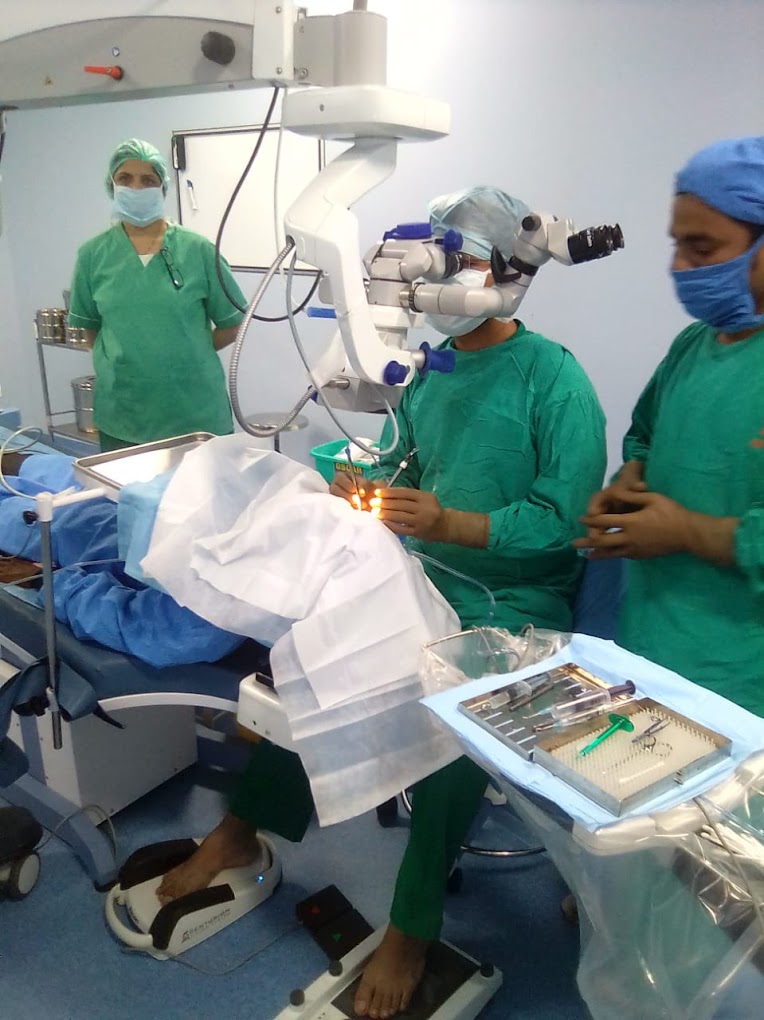
We invest in the best technology so you receive the most accurate diagnosis and safest treatment.
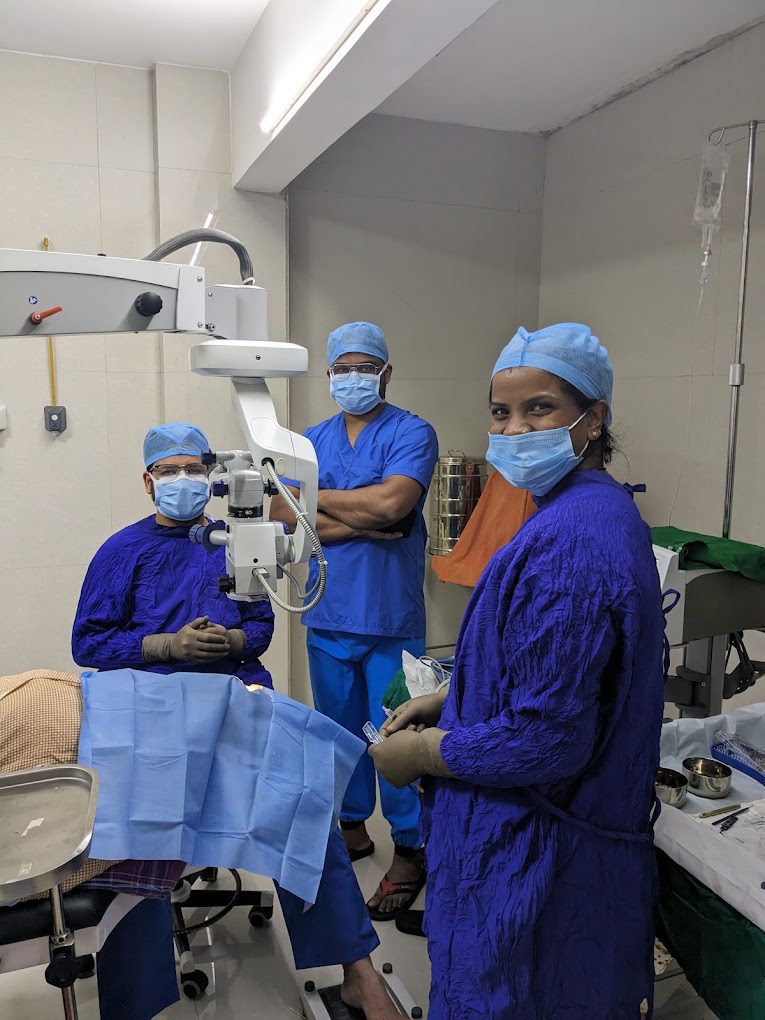
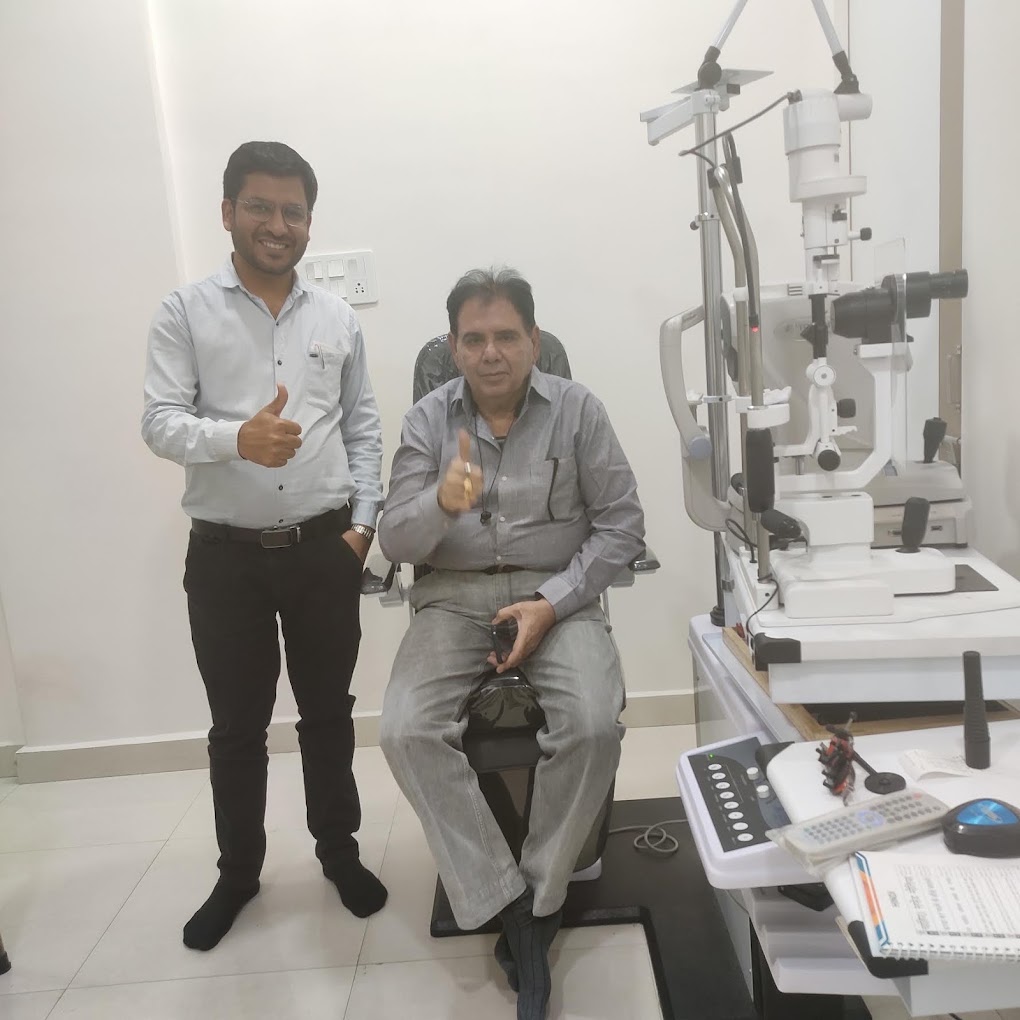
A glimpse of our modern facilities and caring environment.
Everything you need to know about our services, procedures, and eye health — in plain language.
Visit an eye specialist if you experience blurred or double vision, eye pain, redness, frequent headaches, floaters, or flashes of light — or if you haven't had a check-up in over a year. Children should have their first eye examination by age 3. We offer comprehensive eye check-ups Monday to Saturday, 11 AM – 8 PM.
Early signs include blurred or cloudy vision, increased sensitivity to glare, frequent changes in glasses prescription, difficulty seeing at night, and faded colours. Cataracts develop slowly and are effectively treated with micro-incision phacoemulsification (no-stitch) surgery — often with same-day discharge.
LASIK is suitable for most adults above 18 years with stable vision, adequate corneal thickness, and no serious eye diseases. It is not recommended for patients with very thin corneas, severe dry eyes, or keratoconus. A pre-LASIK evaluation including corneal topography and pachymetry determines your eligibility. Dr. Vijay Jeswani personally reviews every candidate before recommending surgery.
At Hardev Eye Care Nagpur, cataract surgery cost depends on the lens chosen –
• Monofocal lens: ₹15,000 to ₹50,000
• Advanced monofocal lens: ₹40,000 to ₹70,000
• EDOF lens: ₹60,000 to ₹1,20,000
• Multifocal/Trifocal lens: ₹60,000 to ₹1,50,000
Cost of cataract surgery in Nagpur varies depending on the type of lens –
• Monofocal lens: ₹15,000 to ₹50,000
• Advanced monofocal lens: ₹40,000 to ₹70,000
• EDOF lens: ₹60,000 to ₹1,20,000
• Multifocal/Trifocal lens: ₹60,000 to ₹1,50,000
LASIK package charges at Hardev Eye Care Nagpur:
| Package Name | Lens Category | Safety Level | Vision | Charges |
|---|---|---|---|---|
| Laser 1 | Manual PRK | ++ | ++ | ₹40,000 – ₹45,000 |
| Laser 2 | Standard Trans PRK | ++ | ++ | ₹45,000 – ₹50,000 |
| Laser 3 | Customized Trans PRK | +++ | +++ | ₹60,000 – ₹65,000 |
| Laser 4 | Standard LASIK | ++- | +++ | ₹60,000 – ₹65,000 |
| Laser 5 | Contoura Femtto LASIK | ++- | +++ | ₹1.2 lakh – ₹1.5 lakh |
| Laser 6 | SMILE | +++ | ++ | ₹1.2 lakh – ₹1.5 lakh |
| Laser 7 | SILK | ++- | +++ | ₹1.2 lakh – ₹1.5 lakh |
| PIOL 1 | IPCL | +++ | +++ | ₹75,000 – ₹90,000 |
| PIOL 2 | ICL | +++ | +++ | ₹1 lakh – ₹1.25 lakh |
Modern cataract surgery (phacoemulsification) is virtually painless — performed under topical anaesthesia (eye drops) with no injections or stitches in most cases. The procedure takes 10–15 minutes and patients return home the same day. Mild discomfort or watering for a day or two is normal. Most patients see clearly within 24–48 hours.
Keratoconus is a progressive condition where the cornea thins and bulges outward, causing distorted vision that cannot be corrected with regular glasses. We treat keratoconus with Corneal Cross-Linking (C3R/CXL) to halt progression. Visual rehabilitation is achieved with specialty RGP or scleral contact lenses. Advanced cases may require corneal transplantation (DALK).
Children should have their first eye examination by age 3, again before starting school, and annually throughout school years. Early detection of amblyopia (lazy eye), squint, and refractive errors is critical — treatment is far more effective during developmental years. Untreated amblyopia before age 7 can cause permanent vision loss. We offer comprehensive paediatric eye evaluations.
Diabetic patients are at high risk of diabetic retinopathy — a leading cause of preventable blindness. A dilated retina examination is recommended at least once a year, or more frequently if retinopathy is detected. Early-stage diabetic retinopathy can be managed with laser treatment or intravitreal injections before significant vision loss occurs. Don't wait for symptoms — get a retina check-up today.
Yes. Hardev Eye Care has empanelment tie-ups with several health insurance providers for cashless cataract surgery and other eligible procedures. Please contact us on +91 98348 51334 with your insurance details to check eligibility. We also accept applicable government health schemes.
Computer Vision Syndrome (CVS) or Digital Eye Strain is caused by prolonged screen use. Symptoms include headaches, blurred or fluctuating vision, dry or irritated eyes, and neck pain. Treatment includes prescription computer glasses (anti-glare/blue light), lubricating eye drops, and applying the 20-20-20 rule — every 20 minutes, look 20 feet away for 20 seconds.
A cornea transplant is required when the cornea is severely damaged due to keratoconus, corneal infections, scarring, or Fuchs' dystrophy. Dr. Vijay Jeswani performs modern lamellar transplants (DALK, DSAEK, DMEK) that replace only the affected corneal layers — resulting in faster recovery, lower rejection risk, and better visual outcomes compared to traditional full-thickness transplants.
Floaters are spots, threads, or cobweb-like shapes drifting across your vision — often harmless with age. However, a sudden increase in floaters, flashes of light, or a shadow/curtain over part of your vision can signal a retinal tear or detachment, which is a medical emergency. Seek immediate eye care if these symptoms appear suddenly, especially after age 40 or following any eye trauma.
Glaucoma damages the optic nerve — usually due to raised eye pressure — and is called the "silent thief of sight" because most patients have no symptoms until significant vision is already lost. Early detection requires a regular eye examination: intraocular pressure check, optic nerve assessment, visual field testing, and OCT imaging. Those above 40, diabetics, or with a family history of glaucoma should get screened annually.
All three correct refractive errors but use different techniques. Standard LASIK uses a microkeratome blade to create a corneal flap. Femto LASIK is blade-free — a femtosecond laser creates the flap with greater precision (Dr. Vijay Jeswani was the first surgeon in Nagpur to perform this). SMILE is the most minimally invasive: no flap at all — a tiny incision removes a disc of corneal tissue, reducing dry eye risk and offering faster recovery. Your suitability is determined during a pre-operative evaluation.
ICL (Implantable Contact Lens) is a vision correction surgery where a thin, specially designed lens is implanted inside the eye between the iris and the natural lens. It is ideal for patients with high refractive errors, thin corneas, or those not eligible for LASIK. Unlike LASIK, ICL is a reversible procedure that preserves corneal tissue. Most patients achieve excellent, stable vision within a few days of surgery.
Oculoplasty is a subspeciality of ophthalmology that deals with conditions of the eyelids, tear ducts, eye socket (orbit), and surrounding facial structures. Common conditions treated include ptosis (drooping eyelid), entropion/ectropion (eyelid turning inward or outward), eyelid tumours, blocked tear ducts (treated with DCR surgery), orbital fractures, thyroid eye disease, and cosmetic procedures like blepharoplasty (eyelid lift) for a refreshed appearance.
A prosthetic eye (ocular prosthesis) is a custom hand-crafted artificial eye fitted for patients who have lost an eye due to trauma, disease, or surgery. It does not restore vision, but closely matches the colour, iris pattern, and size of the natural eye — restoring facial symmetry and confidence. The prosthesis requires periodic maintenance and follow-up. Children born without an eye or who lose one early also benefit from prosthetic fitting to support normal socket development.
Fill in the form and we'll call you back within 24 hours to confirm your slot.